Truth Be Told
by Marsha Sturgeon
A false allegation can turn your life upside down in an instant. Suddenly, you're facing questions you never imagined having to answer, a justice system you know little about, and an uncertain future. If that's where you find yourself today, I want you to know you're not alone.
When false allegations were first made against my partner, I remember wishing we had someone - anyone - to talk to.
There was no JIMS https://www.jimsscotland.org/, no organised support network, and no one to explain how the Scottish justice system worked or what we were about to face. We were frightened, overwhelmed and completely unprepared.
I never want another family to feel as lost as we did.
Since then, through my personal journey and national work with JIMS, I've spoken to hundreds of individuals and families across Scotland, listened to their stories, challenged misconceptions and worked to raise awareness of the issues affecting those caught up in the justice system.
That's why I created TBT Scotland.
This is a place to share what I've learned, ask difficult questions, explore the realities of false allegations and the Scottish justice system, and make information more accessible to ordinary people who never expected to need it.
Take your time, explore the website, read my blog, and hopefully find some answers, understanding or simply reassurance that someone out there gets it.
Because I know what it's like to have a thousand questions and nowhere to turn. And if sharing what I've learned helps even one person or one family feel less alone, then it's worth it.
The Truth
There are few feelings worse than knowing the truth and having nobody believe you. Knowing what really happened, yet watching lies, manipulation and accusations turn your entire world upside down.
People you once trusted can suddenly become your worst enemies. Relationships fall apart, reputations are destroyed, and everything you thought was safe and familiar begins to crumble.
And then there's the justice system. A world most of us know absolutely nothing about until we're thrown into it. You don't understand the laws, the procedures, your rights or the consequences of seemingly small decisions. You trust that the truth will be enough. You assume the system will uncover it. And because you don't know any better, you can make mistakes that may follow you for years.
False allegations are often described as exceptionally rare. But after speaking to hundreds of individuals and families across Scotland, I've come to question how much we really know about their true scale and impact.
Because knowing the truth is one thing. Being able to prove it - and getting someone to listen - is something entirely different.
Being disbelieved, dismissed or made to feel guilty by the very system you trusted can feel like gaslighting. Add media judgement and public humiliation, and you may begin questioning yourself, doubting your own memories and even your own truth. That psychological pressure is a form of abuse in itself.
If you've been falsely accused, you are the victim. You have nothing to be ashamed of, and you should never have to apologise for defending your innocence.
TBT Scotland
TBT Scotland grew out of a journey I never expected to find myself on. What began as a personal fight for someone I love became something much bigger. Through my work with JIMS, national campaigns, research and countless conversations, I've had the privilege of supporting hundreds of individuals and families across Scotland, many of whom felt they had nowhere else to turn.
But speaking publicly about the failures I've witnessed within the Scottish justice system has come at a significant personal cost.
I've experienced sustained harassment, smear campaigns, threats and attempts to discredit both me and my work. My home address was shared publicly, my children's safety was threatened, and there were attempts to encourage others to intimidate me. At times, the pressure was overwhelming, and I seriously questioned whether continuing was worth the risk.
What kept me going was the extraordinary support of people who believed in what I was doing. Some were complete strangers. Others were families fighting their own battles, or highly respected legal professionals who had spent years raising concerns about the very issues I was speaking about. I've been fortunate to work alongside some of Scotland's leading legal minds, who recognised the importance of bringing these conversations beyond courtrooms and into public awareness.
Those experiences have taught me something important: I cannot control what others say about me, but I can choose what I stand for.
TBT Scotland is my opportunity to do exactly that. To remain true to myself, share what I've learned, encourage informed discussion and provide a place where difficult questions can be asked openly.
The Impact
A false allegation doesn't just affect one person. It can tear apart entire families, destroy relationships, end careers and leave lasting emotional and financial consequences. And for those who find themselves wrongfully convicted, the devastation can be almost impossible to put into words.
PTSD, complex PTSD, anxiety, depression, isolation and the constant fear of what might happen next. I've seen what prolonged uncertainty, public judgement and the feeling of being powerless can do to people. I've spoken to families whose lives have been put on hold for years, children growing up without their fathers, and partners desperately trying to hold everything together while quietly falling apart themselves.
Where is the research into this trauma? Where is the meaningful government recognition of the harm caused by false allegations and miscarriages of justice? And where is the support for those affected?
I am also deeply concerned about the growing hostility towards men and boys. What I see as increasingly socially acceptable misandry, and a culture in which men can feel presumed guilty simply for being accused, should concern us all. Women who stand beside the men they love can face hostility, ridicule and intimidation too. I know this because I've experienced it myself.
We can recognise the devastating reality of violence against women and girls while also acknowledging male victims, false allegations and the harm caused by wrongful convictions. These concerns should never be treated as competing causes.
Behind every case is a human being. Often, an entire family.
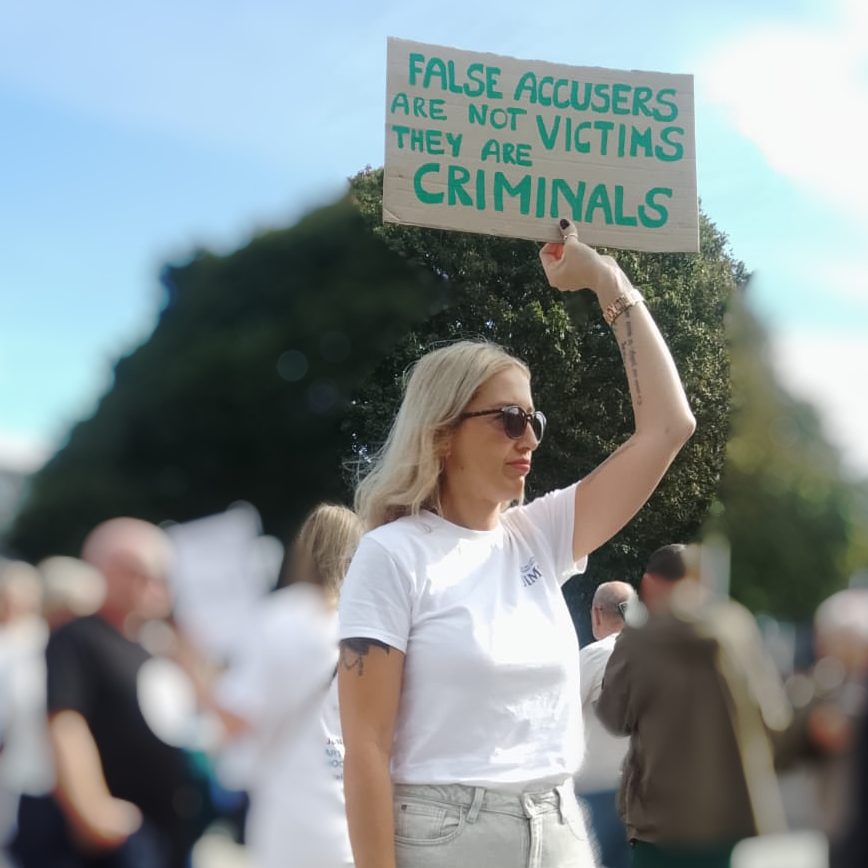
We live in a society where victimhood can sometimes be glorified, and where claiming to be a victim can bring sympathy, attention and unquestioning support. Manipulative individuals, including those displaying narcissistic behaviours, can exploit that trust and even weaponise the justice system against others. For some, false allegations may be part of a wider pattern of control, revenge or abuse. You may not be their first victim, and unless that behaviour is challenged, you may not be their last. Genuine victims deserve protection, but so do those who become victims of deliberate lies and manipulation.
I'm not a lawyer or a legal professional, but I can confidently say I've gained considerable experience along this journey. Everything I share on this website reflects my own thoughts, observations and lessons learned—not only from my personal circumstances, but also from the hundreds of stories I've heard through my work with JIMS. I cannot provide legal advice, but I can help you make sense of what you're facing, share what I've learned and point you towards useful information and support. While the main website will remain largely unchanged, my blog is where I'll continue sharing my thoughts, experiences and reflections, so I encourage you to visit regularly. And if you think I might be able to help, please don't hesitate to get in touch.
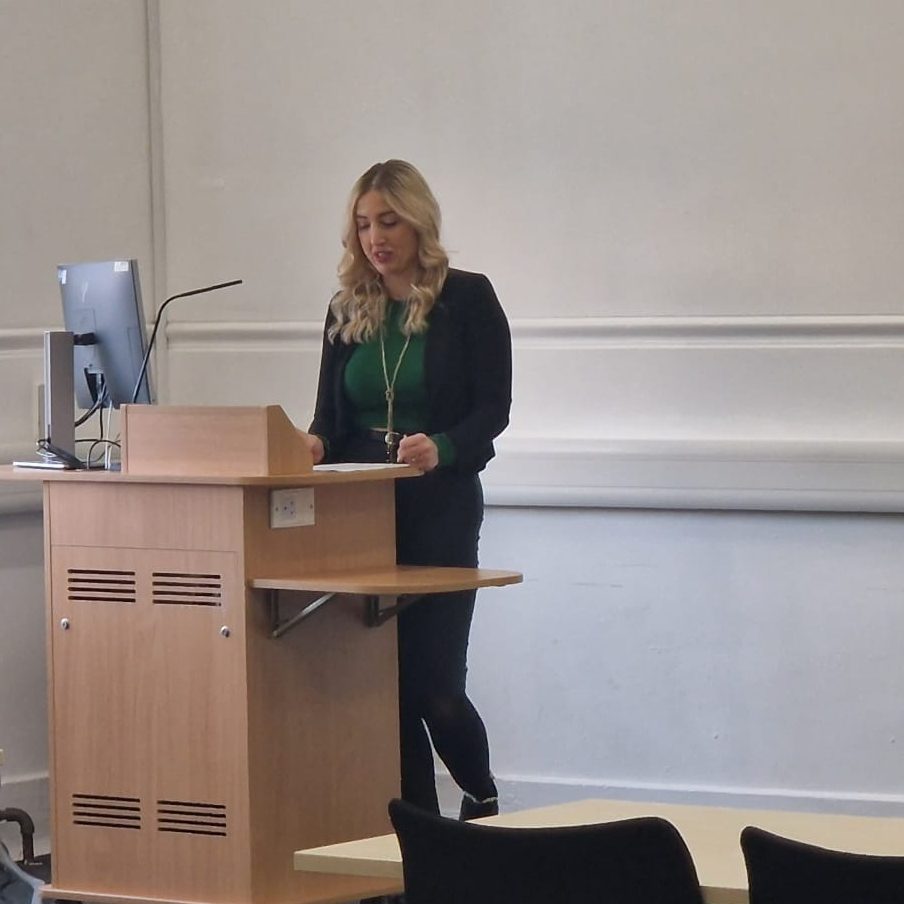
A little message for my less enthusiastic visitors: If you've come here to spread hatred, misandry, lies or threats, I'm afraid you've taken a wrong turn. Respectful disagreement is welcome; harassment is not. And if you're hoping to discover who's been speaking to me, prepare for disappointment. I take people's privacy extremely seriously. Personal information and private conversations are treated confidentially and will not be shared with curious third parties, except where disclosure is required by law or necessary for safeguarding. And to those who prefer spreading rumours over having an honest conversation - perhaps it's worth reflecting on what that says about you. Remember, it's called Truth Be Told for a reason.
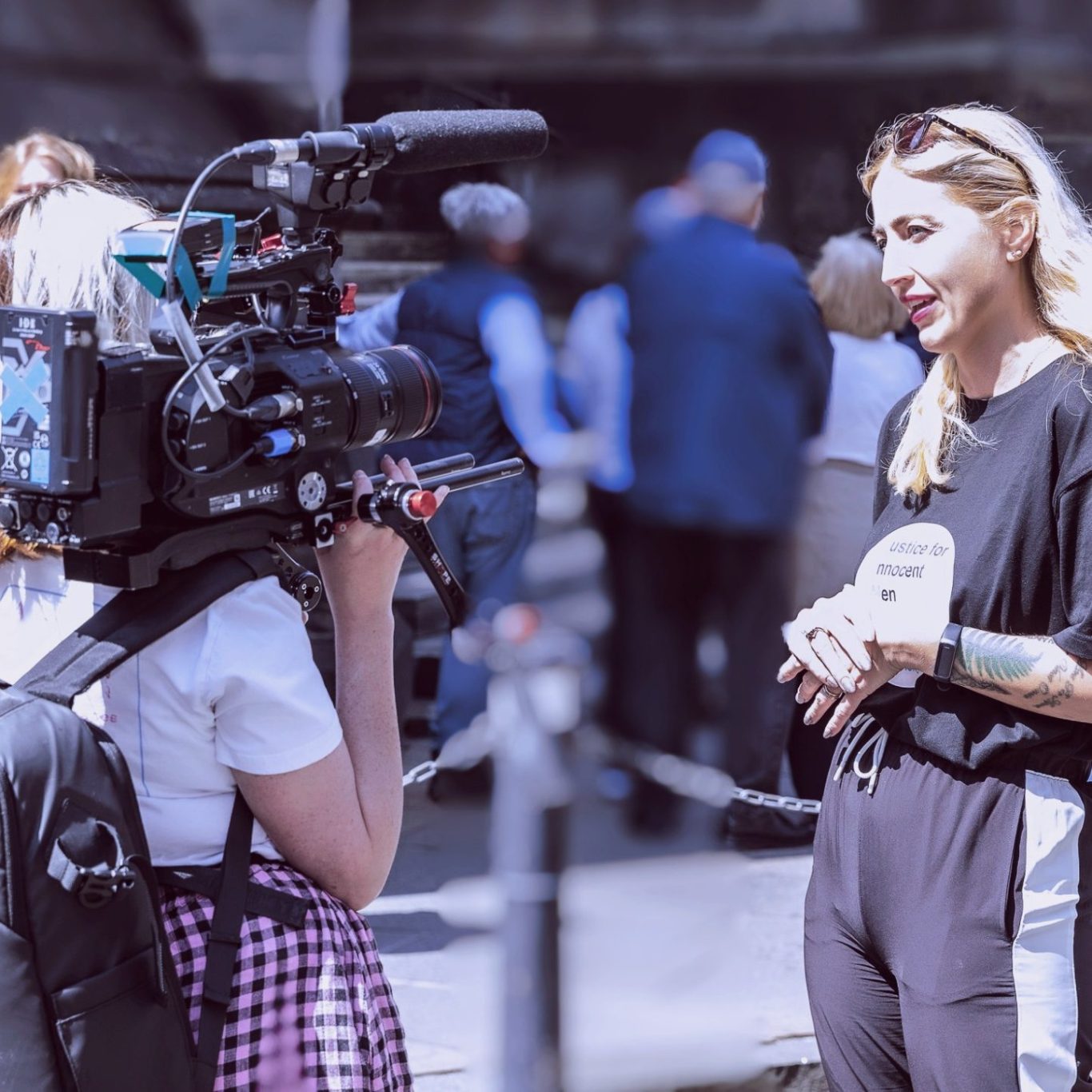
Please note: TBT does not provide legal advice or legal representation. Where specialist legal advice is required, you should always seek advice from a qualified solicitor.
Social media links: